Best Toy Storage for Kids: Bins, Drawers & Safe Ideas
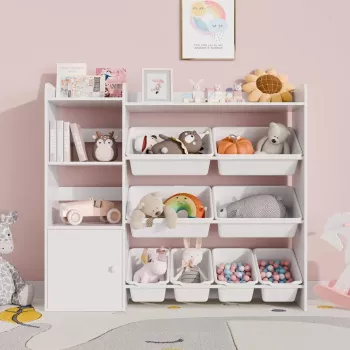
What is the best storage for kids toys?
The best storage for kids’ toys is a simple, visible system that matches how your child actually plays: open bins for everyday toys, a few labeled drawers for small pieces, and a dedicated spot for “big and bulky” items. When storage is easy to use, cleanup becomes faster and toys are less likely to get lost or broken.
Start with open bins for daily favorites
For most families, sturdy open bins on a low shelf work best because kids can see what’s inside and put toys away without lids or complicated steps. Choose wide bins for categories (blocks, dolls, cars) rather than trying to sort too narrowly. Soft-sided fabric bins are lightweight, while plastic bins are easiest to wipe clean.
Add drawers or small organizers for tiny parts
Puzzles, building sets, and action figure accessories tend to scatter. A small drawer unit, divided tray, or clear-top craft box keeps pieces together and makes it obvious when something is missing. If you use labels, a picture label (not just words) helps pre-readers stay independent.
Use vertical space for big items
Oversized toys take over floors fast. Wall hooks for dress-up, a tall basket for stuffed animals, and a corner bin for sports gear prevent pileups. Under-bed bins can also work for rotating toys, especially if you keep them to “not-everyday” items.
Safety and durability matter
Look for rounded edges, stable shelves that can be anchored, and bins without pinch points. If toddlers are around, skip heavy lids and anything that can slam shut. Storage that survives being dragged, stepped on, and wiped down will pay off long term.
For more ideas and product-style options, visit the main guide on the best storage for kids toys.
FAQ
How do you keep toy storage safe for toddlers?
Anchor tall shelves to the wall, choose lightweight bins without heavy lids, and avoid small containers that can become choking hazards when filled with tiny parts. Keep batteries, magnets, and very small pieces in higher storage that’s out of reach.






Leave a comment