Kids Toy Storage: Simple Systems for Easy Cleanup
How to organize kids toy storage?
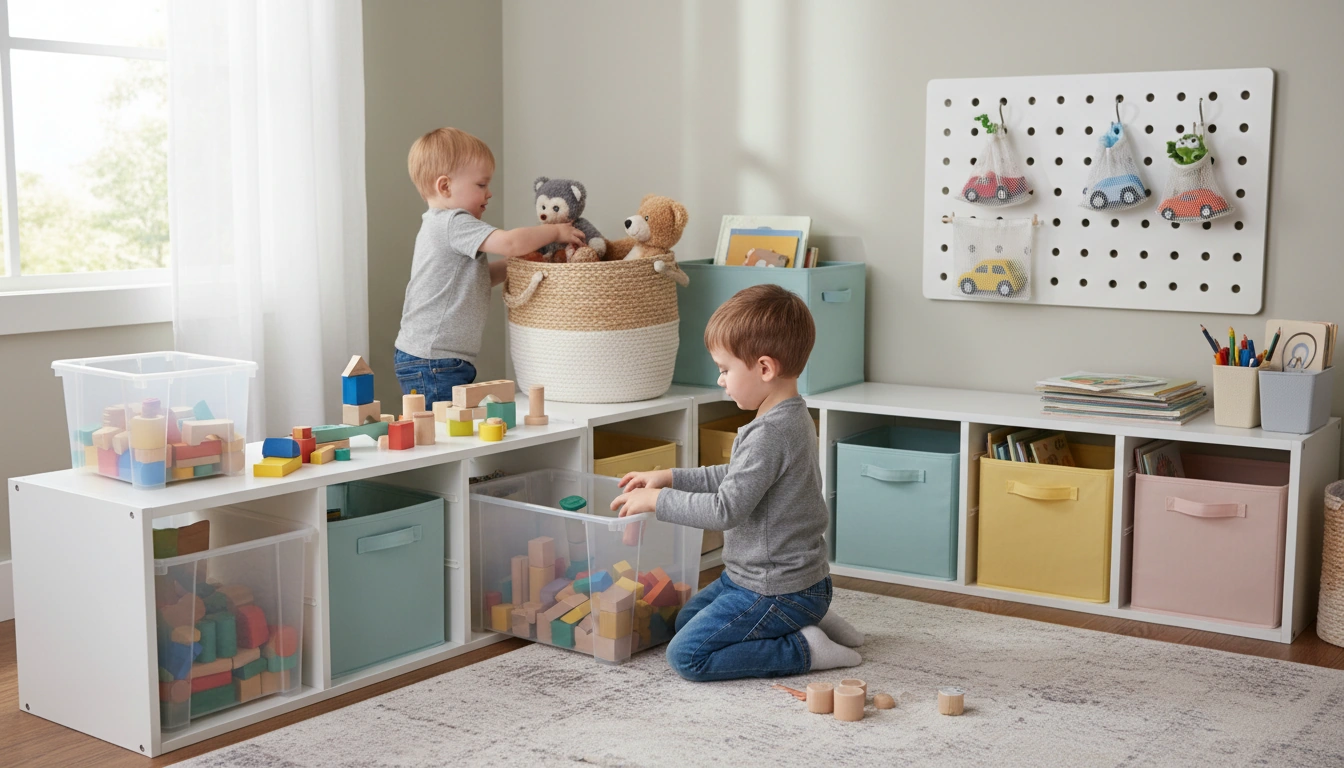
Organizing kids’ toy storage works best when the system matches how children actually play: quick access, easy clean-up, and clear “homes” for each category. Start by resetting the space, then rebuild storage around daily routines rather than perfection.
1) Sort toys into simple, kid-friendly categories
Pull everything into one spot and sort into broad groups like building toys, dolls/figures, vehicles, pretend play, art supplies, puzzles, and “tiny pieces.” If a toy doesn’t fit a category, it’s either a special item (give it a dedicated bin) or a candidate to donate. Keep categories big enough that a child can decide where something goes in seconds.
2) Choose storage that matches the toy type
Open bins work well for bulky toys and fast clean-ups. Clear lidded containers are better for sets with many parts (LEGO, accessories, mini figures). Use shallow trays or drawer dividers for small pieces so they don’t turn into one “mixed” bin. Reserve higher shelves or top-closet space for messy or supervised items like slime, paint, or advanced craft kits.
3) Set up zones: play, display, and stash
Create a “play zone” with the most-used toys at kid height. Use a small “display zone” for favorites or current themes to reduce digging. Put the rest in a “stash zone” (closet, under-bed, cabinet) for rotating toys, refills, and out-of-season items. This prevents overflow without taking toys away permanently.
4) Label with pictures and words
Picture labels help pre-readers clean up independently. Put labels on the front of bins, not the lids, so items can be returned even when bins are stacked. Keep labels consistent (same size and placement) to make the system feel predictable.
5) Use a fast reset routine
Do one daily 5-minute reset (before dinner or bedtime) and one weekly “quick audit” to toss trash, return stray pieces, and swap a rotation bin. For more ideas and storage options, visit this complete toy storage guide.
FAQ
How do you keep toys from taking over the whole house?
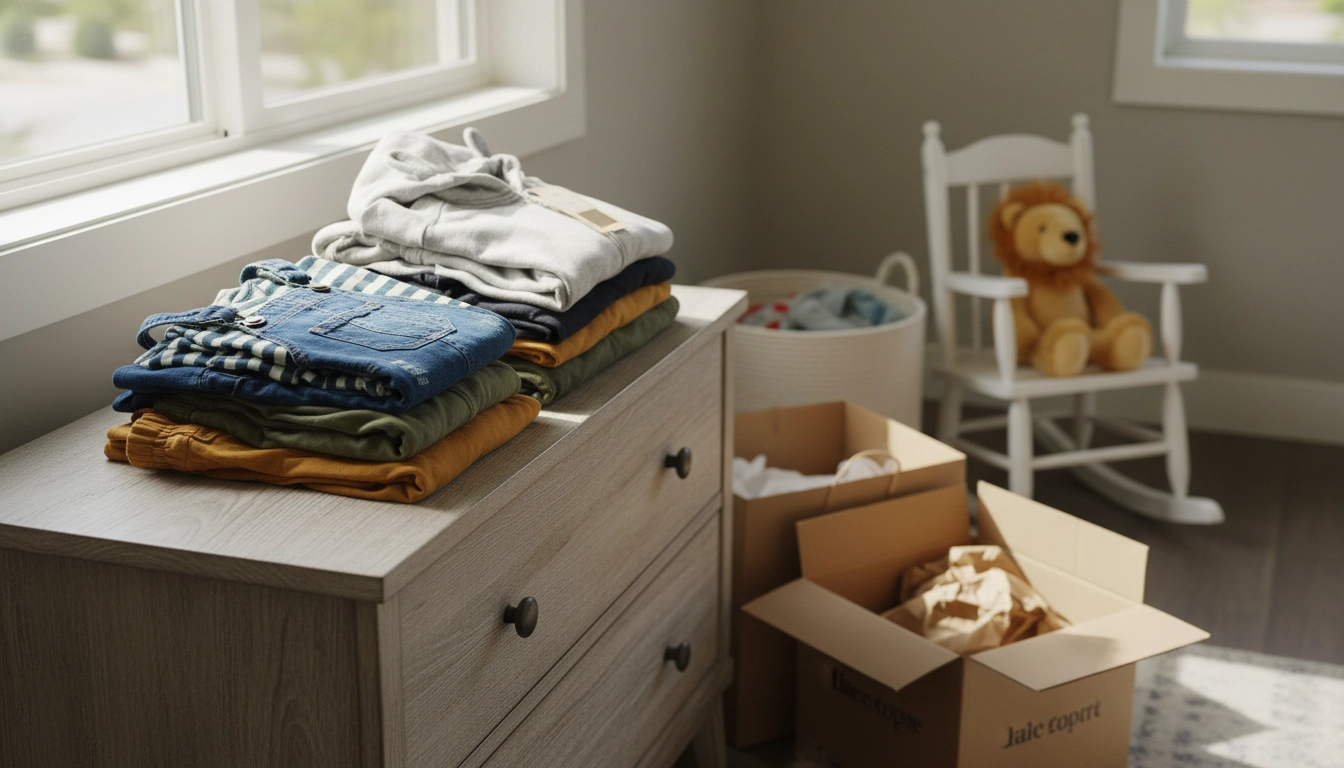
Limit “out” toys to what fits in the play zone and rotate the rest in bins. Add a one-bin rule for high-traffic areas so anything left out gets returned to that bin during the daily reset.







Leave a comment