Crate vs Playpen for Dog Sleep: Which Is Better?
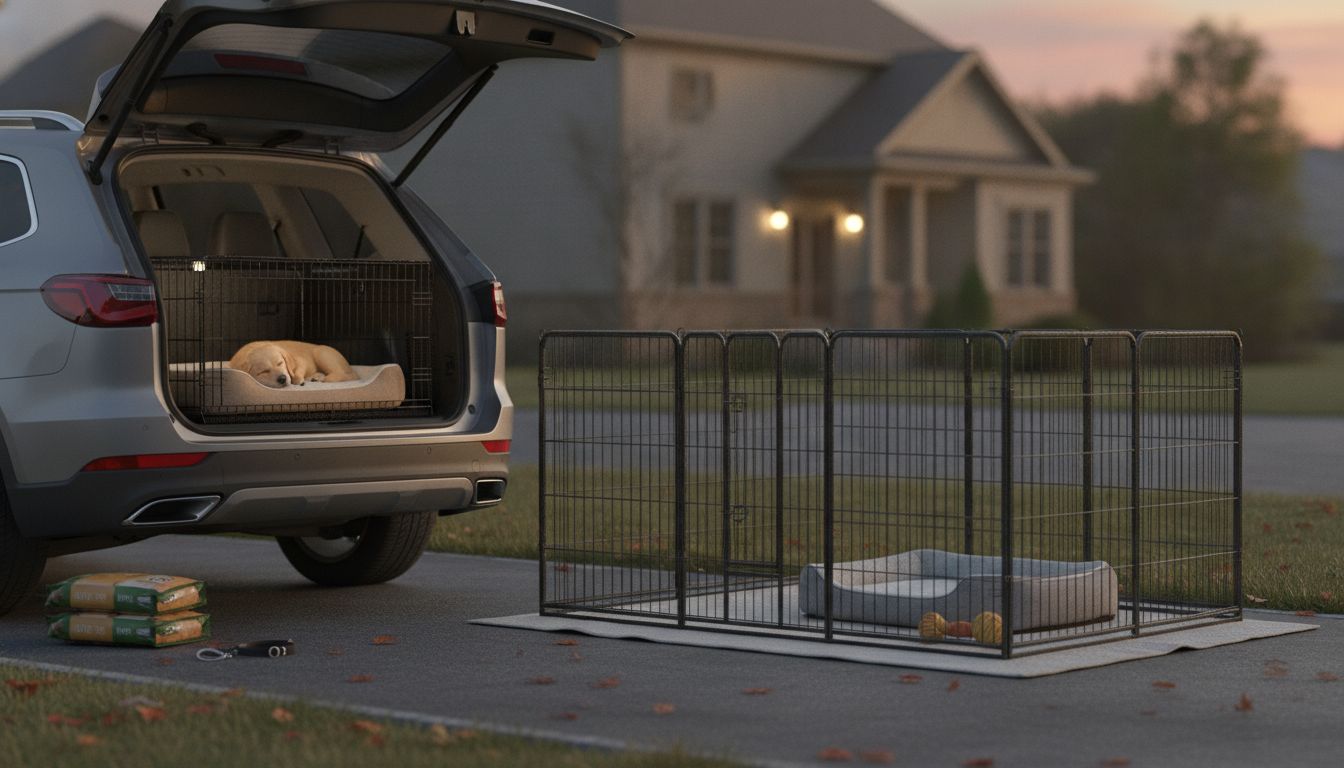
Is it better for a dog to sleep in a crate or playpen?
It depends on your dog’s age, training level, and what “better” means for your household: maximum security and routine (crate) or more room to move around (playpen). For most dogs who are already comfortable with crate training, a properly sized crate is the safer and more predictable overnight option. A playpen can work well for puppies, small dogs, or dogs who get stressed in a crate—especially when you need a little extra space for a potty area during early house-training.
When a crate is the better choice
A crate is ideal if your dog is reliably crate-trained and settles quickly. It limits pacing and mischief, reduces the chance of chewing hazards at night, and can help anxious or easily overstimulated dogs relax in a den-like space. Crates are also typically sturdier than pens, which matters for dogs that push boundaries or try to climb.
When a playpen makes more sense
A playpen is a good middle ground when full freedom isn’t safe yet but a crate feels too restrictive. It’s often helpful for young puppies who can’t comfortably “hold it” all night; a pen can allow separate zones for sleeping and a designated potty area. It can also be useful for dogs recovering from mild injuries when they need limited movement but benefit from the ability to shift positions.
Safety and comfort essentials
Whether you choose a crate or a playpen, prioritize ventilation, stable latches, and a setup that prevents entanglement (avoid dangling collars or tags during sleep). Introduce the space gradually, pair it with calm routines, and keep bedtime consistent. If your dog panics, drools excessively, or tries to escape repeatedly, reassess the setup and training approach.
For a deeper comparison and practical setup tips, visit the main guide on crate vs. playpen sleep.
FAQ
How do I get my dog comfortable sleeping in a pen?
Start with short, positive sessions during the day using treats and a calm voice, then gradually extend the time. Feed meals or offer a safe chew in the pen so it becomes a relaxing spot, and keep bedtime routines consistent so your dog knows what to expect.







Leave a comment