Book Nook Design Mistakes to Avoid (Scale, Light, Finish)
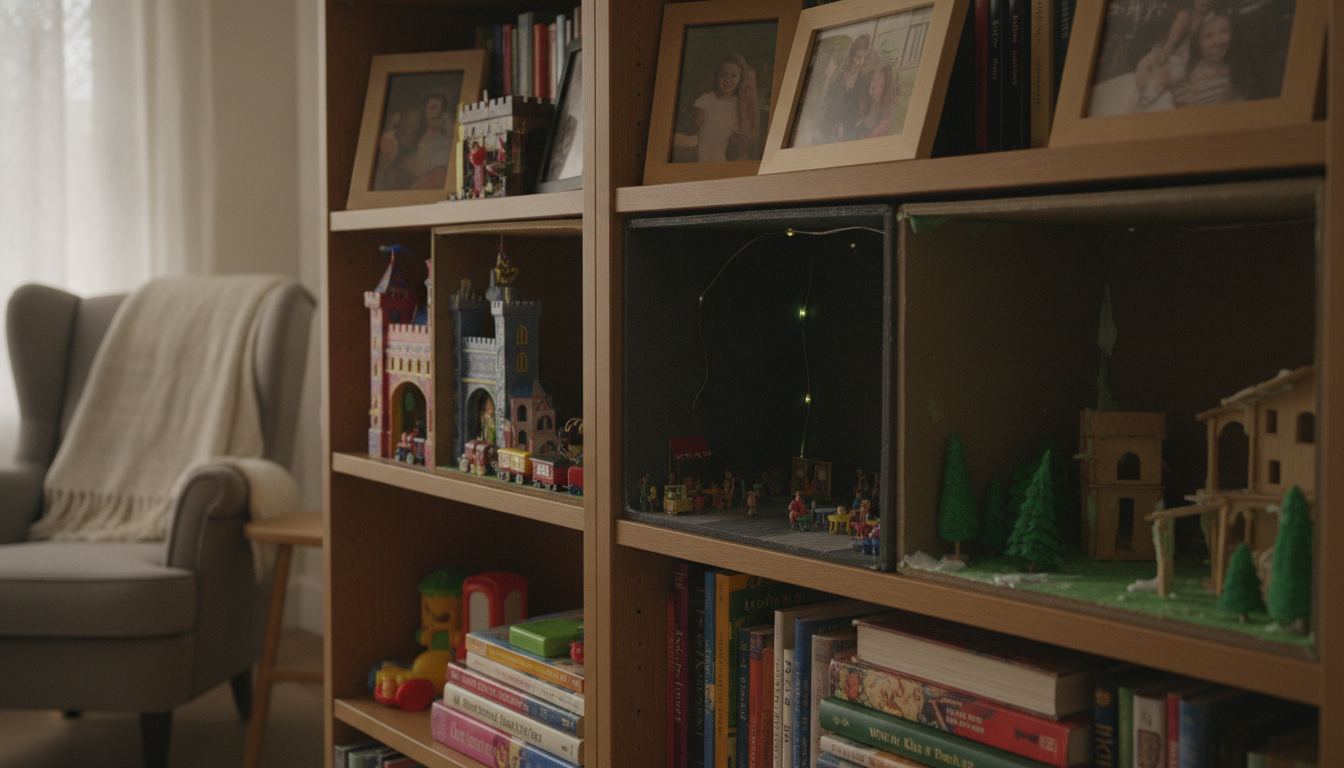
What are common mistakes in book nook design?
Book nooks look small, but they demand big attention to planning. Many first-time builders run into the same problems: pieces that don’t fit, lighting that looks harsh, or a scene that feels flat once it’s tucked between books. The good news is that most mistakes are easy to avoid when they’re spotted early.
Skipping scale and clearance checks
A frequent misstep is designing details that are out of scale—doors that would be “giant” next to furniture, or props that crowd the walkway. Also watch overall clearance: if the nook is too wide, it won’t sit neatly on a shelf; too tall, and it may scrape the shelf above. Measure your shelf space first, then build the scene to suit it.
Weak structural alignment
Misaligned walls and floors lead to gaps, warping, and a crooked façade. Dry-fit your parts before gluing, and use a square edge or corner clamps to keep right angles. Rushing adhesive steps is a common cause of panels drifting out of place.
Lighting that overwhelms the scene
Too-bright LEDs can wash out details, create hot spots, or reveal glue marks and rough edges. Diffuse the light with a shade, place LEDs out of direct sight, and test illumination in a dim room before final assembly. Hide wiring channels early so you’re not forced to “decorate” over mistakes later.
Overcrowding or under-layering details
Adding too many miniatures makes the scene noisy; too few makes it feel unfinished. Aim for depth: foreground elements, a mid-scene focal point, and a background that suggests distance. Layering textures (brick, wood grain, signage) often matters more than adding extra objects.
Ignoring finish work
Visible seams, shiny glue spots, and unpainted edges can break the illusion. Touch up cut edges, paint or stain exposed surfaces, and use consistent weathering so pieces look like they belong together.
For more hands-on tips and examples, visit the full guide: What are common mistakes in book nook design?
FAQ
How do you choose the best lighting for a book nook?
Use warm, diffused LEDs and place them so the light source isn’t directly visible. Test brightness before final glue-up to avoid glare and harsh shadows.







Leave a comment